Intro
Ukraine’s military bringing exoskeletons to the front line got attention on Reddit because it turns a futuristic idea into something immediate and concrete. This is not just a flashy gadget story; it is about wearable strength support being discussed in a place where fatigue, carrying load, and physical wear can shape outcomes fast. What made people care is that exoskeletons are no longer only a science-fiction image or an industrial demo.
In the thread, they showed up as military hardware, hiking support, and mobility assistance all at once. That mix made the trend feel bigger than a headline: it was about technology that can reduce strain in harsh conditions, whether those conditions are combat, long walks, or daily movement with a disability.
Why people noticed it
People noticed this because the idea sits right at the intersection of science fiction and everyday physical reality. The post sparked interest not just because it mentioned exoskeletons, but because it tied them to the front line, where the consequences of fatigue and injury are immediate. That made the conversation feel concrete: this is technology being considered in an environment where carrying, standing, lifting, and surviving all have a cost.
The Reddit reaction also showed why the story spread. One commenter joked in classic cybernetic-fantasy fashion: “From the moment I understood the weakness of my flesh, it disgusted me. I craved the strength and certainty of steel.” That line captured why exoskeletons are so attention-grabbing online: they feel like sci-fi becoming real.
At the same time, another user said they actually own a pair meant for hiking and use them to help with muscular dystrophy. That pulled the discussion away from war spectacle and toward a practical mobility aid. So the post caught on for two reasons at once: it was visually and culturally futuristic, and it was also immediately recognizable as a tool that already has real civilian uses.
What people were saying
The comments settled into a few clear themes. First, there was obvious enthusiasm for the symbolic side of exoskeletons. People responded to them as proof that the future is arriving in pieces, not all at once.
The appeal was not only aesthetic; it was about the idea that mechanical support can extend human limits in situations where bodies are pushed harder than they should be. But that excitement came with caution. One commenter summed up the tension well: it feels like sci-fi quietly becoming reality, cool tech, but also a reminder of how far warfare keeps pushing human limits.
That matters because it keeps the discussion from turning into pure gadget worship. In a war context, new gear is never just neat hardware; it is often a response to brutal physical demands. Several commenters also grounded the conversation in lived experience.
The user with muscular dystrophy described using a pair intended for hiking to assist with walking, which reminded readers that this kind of device is already useful outside military settings. Another commenter who works with veterans added a more sobering perspective, saying the strain combat places on bodies can be severe even after only a few years of service. They described younger veterans with joint problems, nerve damage, and back, neck, and joint issues that can resemble geriatric conditions.
That added an important layer to the thread: exoskeletons are not only exciting because they are futuristic, but because they may help reduce damage before it becomes permanent. The discussion also showed a quiet divide between imagination and practicality. Some people were drawn to the cyberpunk feel, while others were focused on what the technology can actually do for walking, lifting, and long-term strain.
Practical buyer takeaway
For a buyer, the useful lesson is that exoskeletons are not one single product category with one job. In the comments, they showed up as hiking aids, walking assistance for a person with muscular dystrophy, and a potential support tool for people dealing with long-term physical strain. That means the real value is not abstract power fantasy; it is load reduction, stability, and repeat-use support in situations where fatigue builds up fast.
If you are thinking about these devices as a consumer, the best frame is not “superhuman armor” but “how much strain does this remove from a body doing repeated work?” A hiker carrying weight over uneven ground may care about endurance and knee or back relief. Someone with a mobility condition may care more about balance, fit, and whether the frame helps without getting in the way. A worker, veteran, or caregiver may care about how much repeated effort a device saves over time.
The Reddit discussion also makes clear that context matters. A device that sounds exciting in a headline may be most valuable when it solves one very specific physical problem well. Comfort, usability, and whether it fits real routines matter as much as the engineering itself.
Useful finds inspired by this
Useful finds inspired by this include hiking-support exoskeletons, mobility-assist wearable frames, and load-bearing support systems designed to reduce fatigue during long periods of standing or walking. The strongest shopping lesson from the thread is to look past flashy specs and focus on fit, comfort, and how naturally a device supports movement.
A hiking user may want smoother stride support and less burn over distance, while someone using the device for mobility support may care more about balance, ease of wear, and whether the frame helps without creating new friction. If a device is going to matter in daily use, whether on a trail or in recovery-oriented movement support, it needs to make ordinary motion feel easier in a real, repeatable way.
Closing takeaway
The Reddit thread works because it treats exoskeletons as both futuristic and deeply ordinary: a way to help bodies carry what they otherwise cannot. That is why the conversation moved so quickly from military use to hiking aids, medical support, and veteran strain.
The core takeaway is that this trend is not just about louder technology or bigger promises. It is about a very old problem—human physical limits—being met with a new kind of tool, and people noticing that the same device can mean relief, capability, or simply a little less damage at the end of the day.
Ukraine Special Operations Forces Wolf Logo Military Army T-Shirt. Premium Cotton Short Sleeve O-Neck Mens T
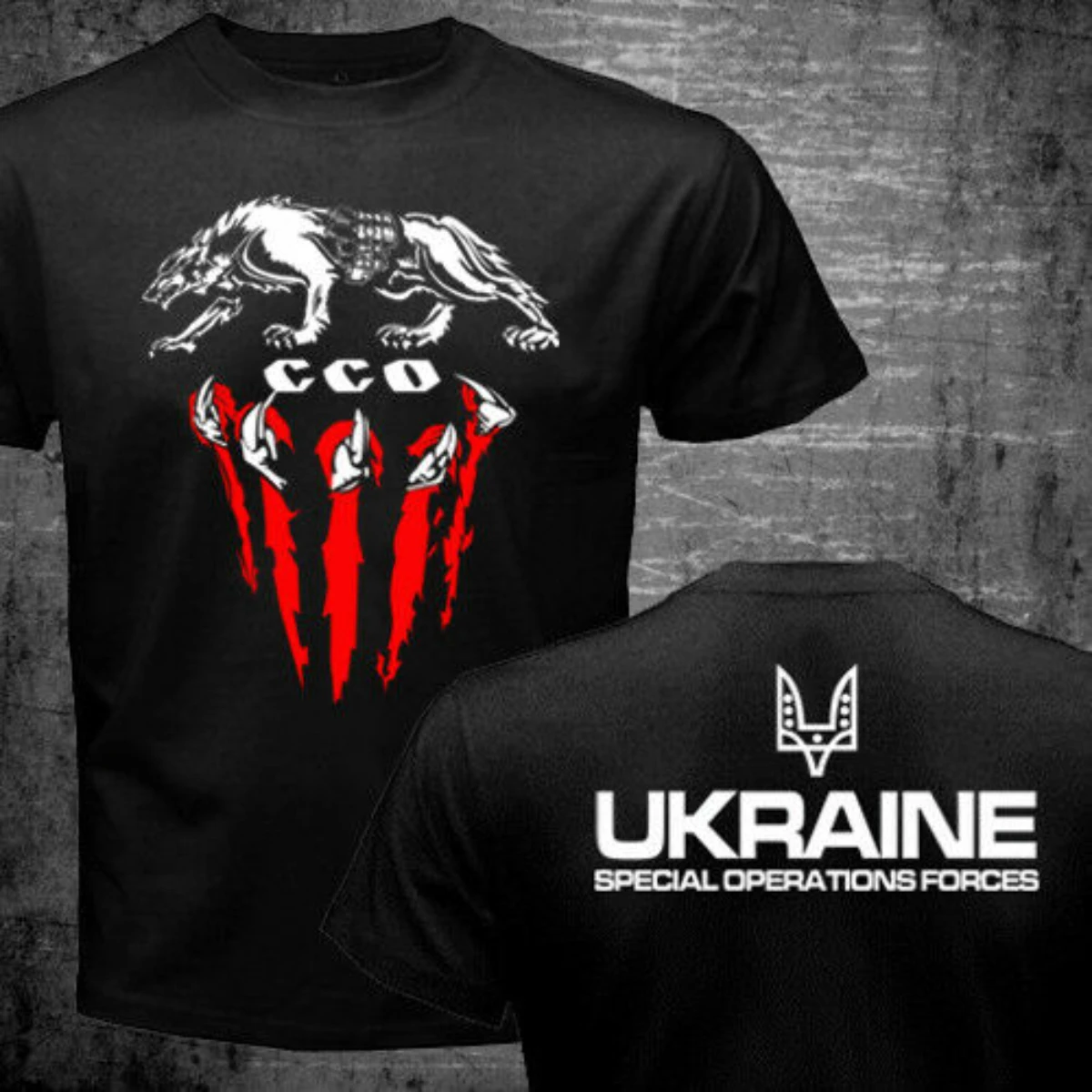
This military-style T-shirt matches the front-line theme by using a Ukraine special operations motif that reads as direct support imagery.
Price: 16.35 USD
Tactical Molle Water Bottle Pouch Bag Military Outdoor Travel Hiking Drawstring Water Bottle Holder, Kettle
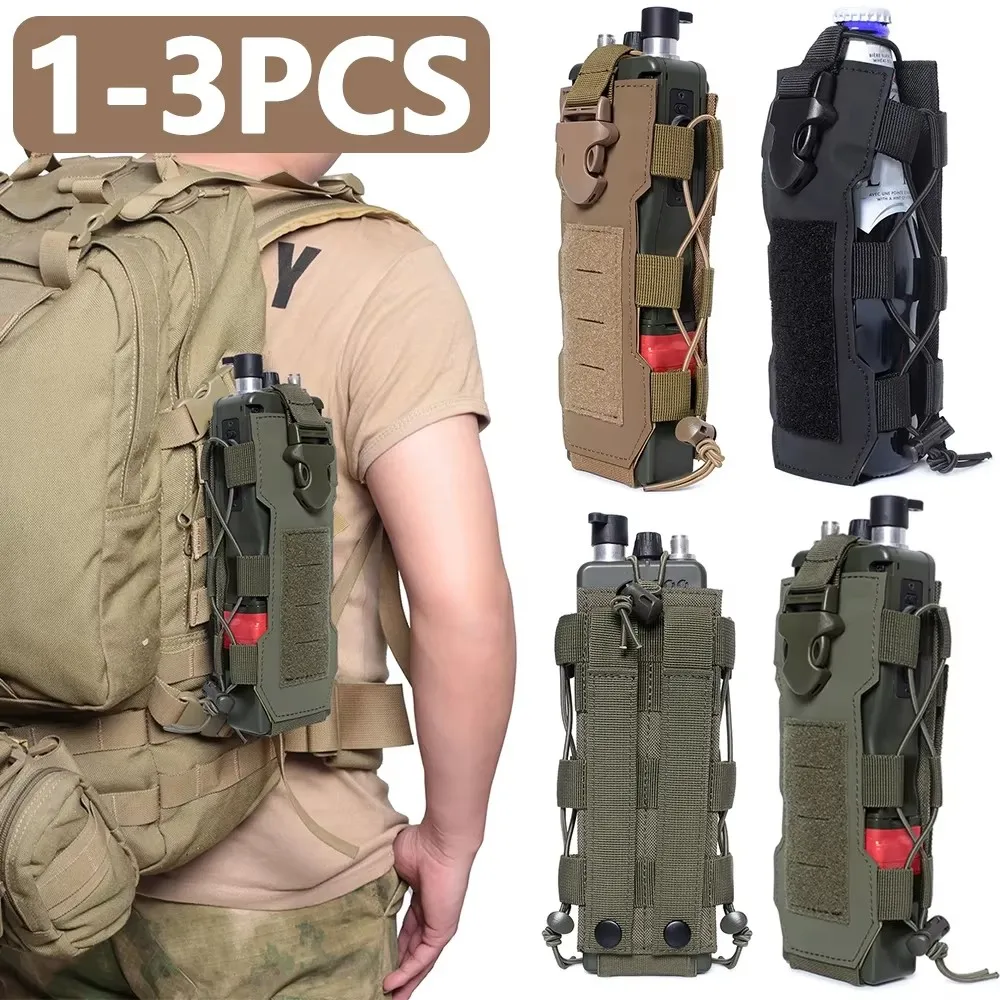
The MOLLE bottle pouch fits the battlefield logistics angle because it is built for carrying water on tactical gear during field use.
Price: 6.24 USD
CURREN Men’s Watches Top Brand Big Sport Watch Luxury Men Military Steel Quartz Wrist Watches Chronograph
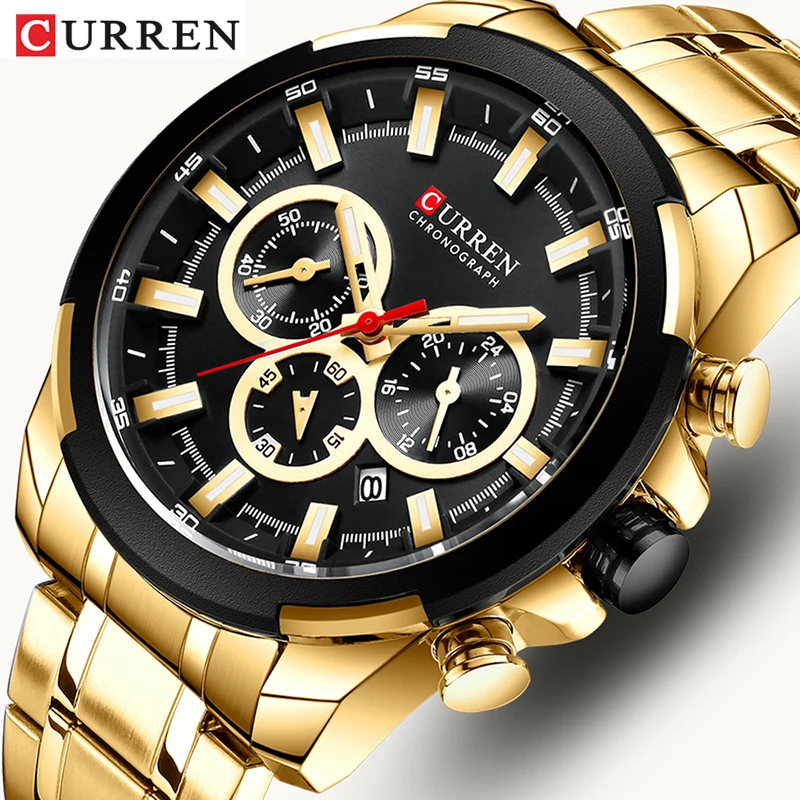
This oversized military chronograph aligns with the wartime aesthetic by borrowing the rugged, utility-first look associated with service equipment.
Price: 23.73 USD
Cazador Ukraine National Symbol Charm Bracelets for Woman Men Stainless Steel Beads Chain Hand Bracelets
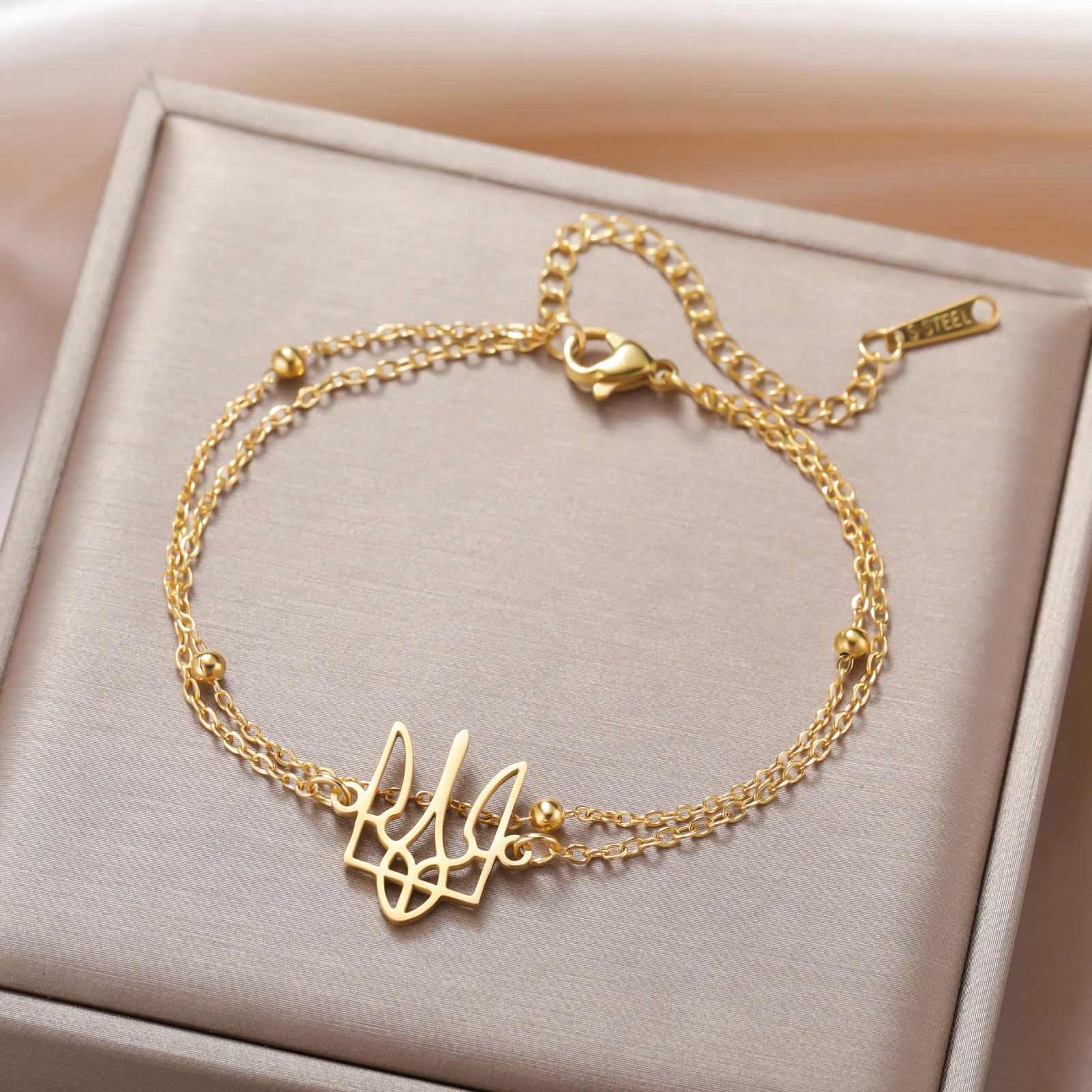
The Ukraine symbol bracelet fits the moment as a visible civilian-style piece of national identity tied to the conflict.
Price: 1.09 USD
The Reddit thread works because it treats exoskeletons as both futuristic and deeply ordinary: a way to help bodies carry what they otherwise cannot. That is why the conversation moved so quickly from military use to hiking aids, medical support, and veteran strain. The core takeaway is that this trend is not just about louder technology or bigger promises. It is about a very old problem—human physical limits—being met with a new kind of tool, and people noticing that the same device can mean relief, capability, or simply a little less damage at the end of the day.